Every drain in your home feeds into one pipe, the main building drain, which leaves the house through the basement wall or under the slab and runs out to the public sewer or a septic tank. When that pipe narrows or blocks, water from every fixture has nowhere to go, and it comes back up wherever the opening is lowest.
That makes a main line backup different from a slow sink. It affects the whole house, it gets worse every time someone uses water, and it is a job for a technician with a larger drain machine. We put Etters homeowners in touch with local pros who clear main lines regularly and know where the cleanouts tend to be in houses here.
Signs of multiple drains backing up: it is the main line
The clearest sign is more than one fixture misbehaving at the same time. Specific patterns to watch for:
- Water appears at the basement floor drain or lowest shower when an upstairs toilet flushes or the washer drains.
- Toilets gurgle or bubble when a tub or sink is draining.
- Several fixtures on different floors are slow at once.
- A sewer smell comes from the lowest drains.
- Plunging one toilet makes water rise in another fixture.
Lowest drains go first because water finds the lowest opening. In a house with a basement, that is usually the floor drain. If you see any of these patterns, stop running water and call. Using more water only pushes the backup further into the house.
The cleanout: where it usually is in Etters homes
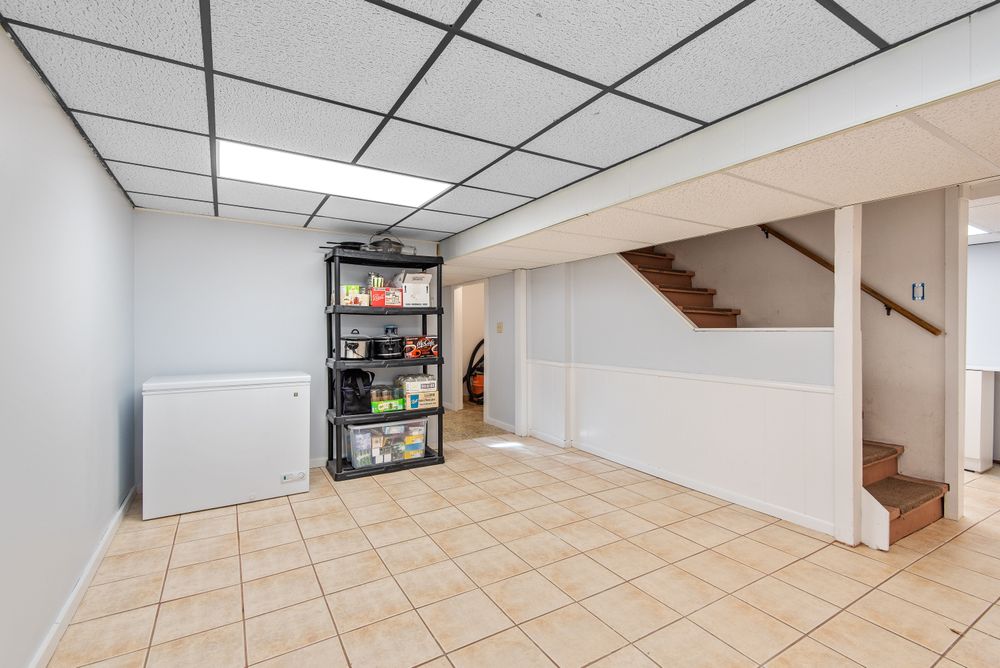
A cleanout is a capped fitting that gives direct access to the main line. In most Etters homes with basements, look near where the main stack meets the floor, or on the pipe where it passes through the front foundation wall. It is usually a round cap, often with a square nut on top, sometimes several inches above the floor.
Some houses also have an outside cleanout near the foundation or in the front yard, a short pipe sticking out of the ground with a cap. Older homes may only have a cleanout plug on the old house trap, a U-shaped fitting near the front wall. If you cannot find one, the tech can usually work through a toilet flange or a roof vent instead, and will explain the trade-offs.
Main drain line cleaning in Etters: cabling from the cleanout
Clearing a main line starts with getting the standing water to drain safely. The tech opens the cleanout slowly, since there may be pressure behind it, then feeds in a drain cable on a powered machine. The cable size and cutting head are matched to the pipe, with a different setup for soft blockages such as paper and grease than for roots.
Once the cable breaks through, the water drops quickly. The tech keeps working back and forth to widen the opening, then runs water through several fixtures to test the line under real load. If the cable brings back roots or pieces of pipe material, that tells them something about the condition of the line. This is the core of main line drain cleaning, and most backups end here.
Tree roots and a main sewer line clog
Roots are drawn to the moisture inside drain lines and can enter through small gaps at joints, especially in older clay or cast iron sections. Once inside, fine roots form a net that catches paper and waste, which is why a main sewer line clog caused by roots tends to return in the same spot.
A cable with a cutting head cuts roots back and restores flow. It does not remove the reason they got in. Where roots are heavy, some homeowners follow cabling with hydro jetting to clean the pipe wall more thoroughly, if the line is sound enough for it. If a section turns out to be broken or collapsed, repairing it is excavation work that falls outside drain cleaning, and the tech can point you toward the right kind of contractor.
When camera inspection is the next step
A camera is not needed for every main line call. It becomes the sensible next step when the line clogs again within a few months, when the cable brings back roots or debris that suggests damage, or when the tech cannot get a clear sense of where the blockage sits.
A drain camera inspection runs a waterproof camera through the cleared line and shows exactly what is there, and how far from the cleanout. That turns guesswork into a plan, whether the answer is regular maintenance, jetting or a closer look at one section.
Main lines in Etters homes
The age of the house matters most here. In the older homes covered by drain cleaning in Goldsboro, the lateral running out to the street can be original, with joints that roots and settling have worked on for decades. Mature trees in established yards make roots a common finding.
Township subdivisions from the 1970s through the 2000s usually have a basement cleanout and a more uniform run of pipe, so a backup there is more often paper, wipes or grease than roots, though trees planted when the houses were built are now large. Many of the homes served by drain cleaning in Fairview Township are newer still, and rural properties there drain to septic. On those, the tech clears the main as far as the tank and leaves septic work to a septic service.
Main-line work sits alongside the other jobs on the drain cleaning Etters page, where each service is summed up in a few lines.
While you wait
- Stop using water everywhere in the house: no flushing, showers, laundry or dishwasher.
- Do not try to snake the main line yourself.
- Keep children and pets away from water around the floor drain.
- Move boxes and valuables away from the basement floor drain.
- If you know where the cleanout is, clear a path to it.
Smell gas? Leave the house and call the gas utility and 911 from outside.