
A drain cable is the right first tool for most clogs. It bores through the blockage and gets water moving again. But on a line coated with years of grease or mineral scale, it leaves most of that coating behind, and the drain starts narrowing again soon after the visit.
That is where jetting earns its place. We connect Etters homeowners with local pros who own jetting equipment and, just as important, know when not to use it. The call works the same way as any other: describe the drain's history, and the technician arrives prepared to check the line before deciding on the method.
What hydro jetting drain cleaning is
A jetter is a pump that pushes water at high pressure through a flexible hose ending in a nozzle. The nozzle has a forward jet to cut through a blockage and several backward-angled jets that pull the hose along and blast the pipe wall as it goes. When the hose is drawn back, those rear jets scrub the whole inside of the pipe and flush the loosened material downstream.
The result is a pipe that is cleaned wall to wall rather than one with a tunnel bored through the middle. Different nozzles suit different jobs, from rotating heads for heavy grease to cutting heads for fine roots, and the pressure and flow are set for the size and material of the pipe.
Hydro jetting in Etters vs cabling
Neither method is better in every case. They solve different problems, and many jobs use both: cable first to open the line, then jet to clean it.
| Cabling (snaking) | Hydro jetting | |
|---|---|---|
| How it works | Rotating steel cable with a cutting head | High-pressure water through a nozzle |
| Suited to | Opening a blockage, cutting roots back | Grease, scale, sludge and fine roots on the pipe wall |
| What it leaves | A cleared channel; some build-up remains | A pipe cleaned across its full width |
| Pipe condition needed | Works on most pipe, with care on older lines | Line must be sound; checked first |
| Typical role | First response to a clog | Follow-up for repeat or heavy build-up |
If your drain was cabled recently and is already slowing again, that is the pattern that makes jetting worth discussing. If it is a first clog with no history, cabling is usually the sensible starting point.
Cost and disruption follow the same logic. Jetting takes more equipment and setup than a cable, so it makes the most sense where it changes the outcome, on lines that keep closing up. The technician will say plainly if a cable is all your drain needs, and the price for each option is given before anything starts.
Jetting grease and roots, plus mineral scale
Grease is the classic case. In kitchen branch lines and the main line downstream of them, fat builds up in layers that a cable can slice through but not remove. Jetting breaks those layers off the wall and carries them out.
Mineral scale is the second. Older metal drain pipes develop a rough, crusted interior over time, which narrows the pipe and gives debris something to catch on. A jetter with the right nozzle can strip a good deal of that scale where the pipe is still sound.
Roots are the third. Fine root growth at joints forms a net that cables cut back but often leave partly in place. Jetting can clear finer roots more completely. It does not seal the joint they came through, so root problems can return over time and are worth monitoring.
When water jetting a sewer line is not suitable
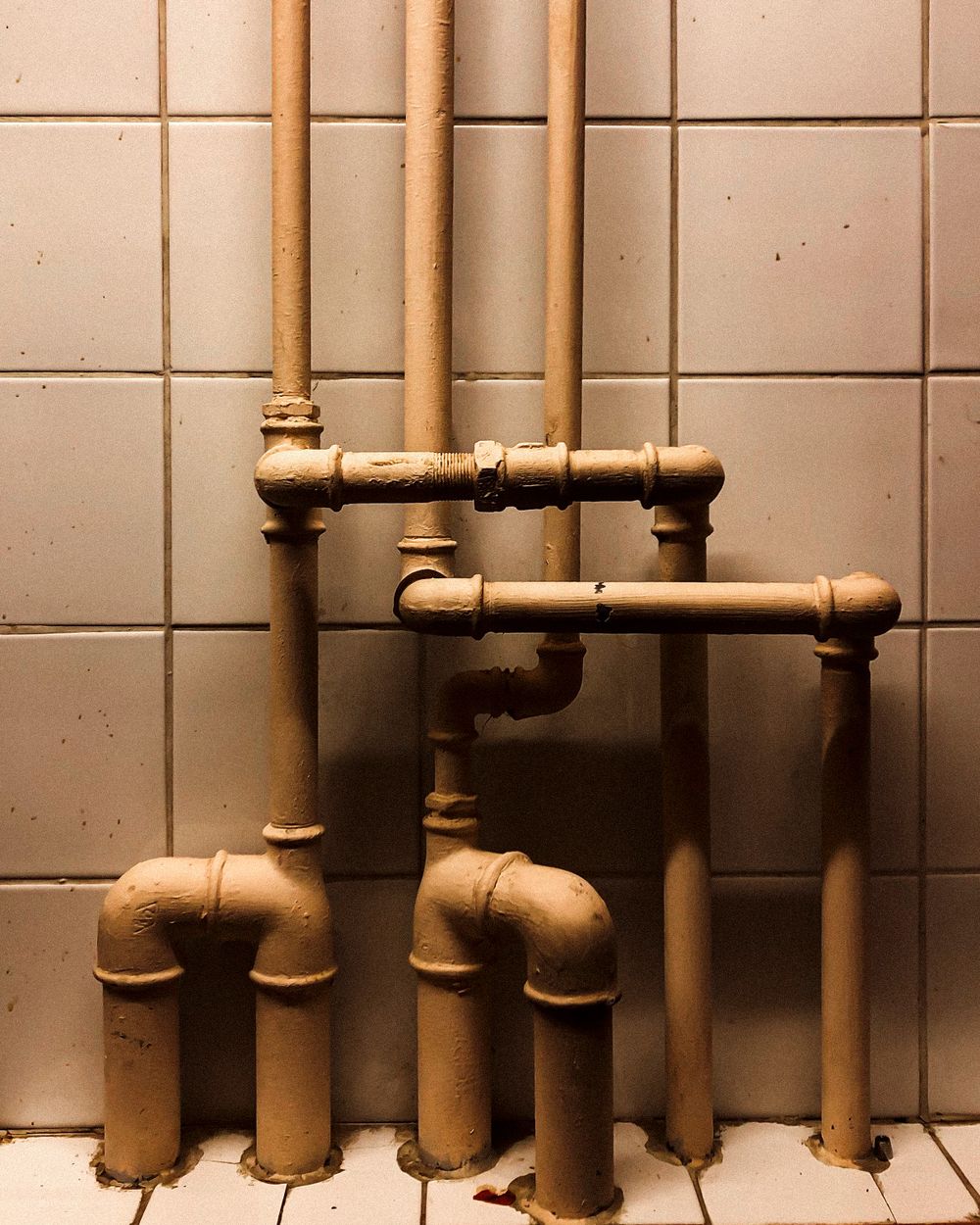
High-pressure water is powerful, and that power is the risk. Water jetting a sewer line that is cracked, badly corroded, crushed or separated at a joint can make the damage worse or wash soil into the line. Very old, thin-walled pipe needs particular care, and some sections are better left to a cable.
That is why no responsible technician jets blind, and why water jetting sewer line sections in an older house always starts with a look at the pipe. They consider the age and material of the pipe, what came back on the cable and how the line behaves, and where there is any doubt they look before they jet. Jetting is not safe for every pipe, and anyone who says otherwise is skipping a step.
Camera first, then jet
The usual sequence on a line with a history is simple: clear enough to get water moving, run a camera to see the condition and the build-up, then jet if the pipe can take it. A drain camera inspection also shows afterward how much of the coating came off, so you are not taking the result on faith.
Jetting is also used on lower-level drains that collect sediment and lint, such as long basement runs. If your trouble is a floor drain or laundry line, start with floor drain cleaning, and the tech will judge whether jetting adds anything there.
Jetting in Etters homes
Older houses in the borough are where the camera-first rule matters most. Lines there may include original metal or clay sections, and calls for drain cleaning in Goldsboro often turn up scale or root intrusion where a gentle, checked approach is essential.
In the township subdivisions built between the 1970s and the 2000s, jetting tends to be about grease. A long kitchen branch line across a basement ceiling, years of disposal use and a main that carries it all make a good candidate. Much of the jetting done as part of drain cleaning in Newberry Township is exactly that kind of grease clean-out, typically on plastic or sound metal pipe.
Newer homes on the Fairview Township side need jetting less often. On rural properties with septic, the tech will also consider where the loosened material ends up before jetting a line that runs to the tank.
Jetting is one tool among several, and the drain cleaning Etters overview explains when a simple cable visit is all a house needs.
While you wait
- If the line is backing up now, stop using water in the house.
- Do not use chemical drain cleaner before a jetting visit.
- Clear access to the cleanout and the affected drains.
- Keep children and pets away from any backed-up water.
- Gather what you know about past clogs: when, where and what was done.
Smell gas? Leave the house and call the gas utility and 911 from outside.