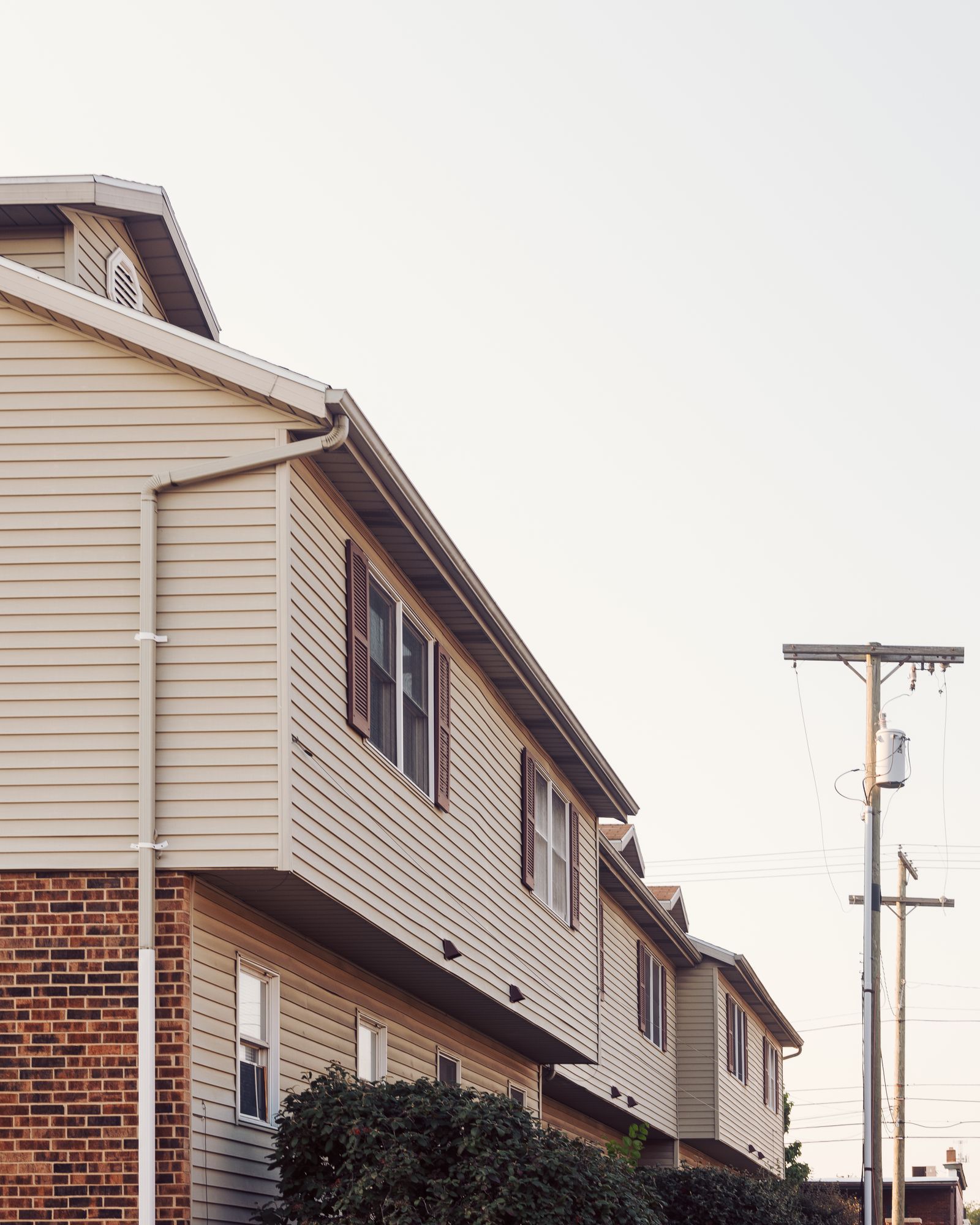
Goldsboro is the small borough on the river side of the Etters ZIP, and its drain problems tend to be the problems of age. A kitchen sink that slows every few months, a basement floor drain that takes water when the washer runs, or roots on the cable from a line that has been in the ground a long time. Drain cleaning in Goldsboro is less about one bad clog and more about pipe that has been working for decades. We put borough homeowners in touch with experienced local pros who take that into account from the first look.
Older river homes: the houses behind drain cleaning in Goldsboro
The borough holds some of the oldest housing in ZIP 17319. Most have basements under the main floor. Plumbing in homes like these has usually been updated in stages: a newer kitchen here, a bathroom remodel there, while the drain pipe inside the walls and under the floor stays largely original.
That original pipe is often cast iron or galvanized steel inside the house. Outside, the lateral that carries everything from the basement wall to the street connection may include older clay or cast iron sections with many joints along the way. The length of that lateral varies from house to house, so the tech measures it as the cable goes in rather than assuming.
Inside, the main stack usually drops to a basement where the building drain heads out through the front foundation. Older homes of this kind sometimes still have a house trap, a U-shaped fitting near the front wall with cleanout plugs on top, and the tech checks for one. Floor drains in these basements often tie into that older system.
Established yards matter too. Mature street and garden trees have had generations to send roots toward the moisture in an old lateral, and joints that have shifted slightly over time give them a way in.
What usually goes wrong with a clogged drain in Goldsboro
A clogged drain in Goldsboro often has a reason beyond what went down the sink, and most clogged drain Goldsboro calls trace back to the oldest pipe in the house. Any drain cleaner Goldsboro homeowners call should start by asking how old the home is. The most common patterns are:
- Scale in metal pipe. Decades of mineral build-up rough up and narrow the inside of cast iron and steel drains, so grease and hair catch sooner than in newer pipe.
- Roots at lateral joints. Fine roots enter older clay or cast iron joints and catch paper, producing a main-line backup that tends to return in the same spot.
- House trap blockages. Where an old house trap is still in place, debris settles in its bend and slows the whole house.
- Mixed old and new pipe. Remodels join plastic to old metal, and those transitions can catch debris if they are not smooth.
During long, heavy rain, any basement can see its floor drain struggle where an older lateral has open joints. That is a pattern worth noting rather than a reason to panic, and it is something a camera can help explain.
None of this means an older house is a problem house. Plenty of borough homes drain well for years between calls. It simply means that when a drain does stop, the cause deserves a proper look, because the same clog cleared twice in a season is usually telling you something about the pipe.
What the technician checks first on a Goldsboro home
On an older borough house, the tech starts by working out how far the problem reaches. They run water at a couple of fixtures, look at the basement floor drain and find the main access point, whether that is a modern cleanout or the plugs on an old house trap.
They look at the visible pipe material and condition, since thin or heavily corroded sections change how hard a cable can be run. If roots or scale come back on the cable, they will usually suggest a camera look rather than repeated clearing. Where a line is sound but heavily scaled, main drain line cleaning may be followed by jetting, but only after the pipe has been checked.
Parts of an older drain system the tech looks for
| Part | Where it usually is | Why it matters |
|---|---|---|
| House trap | Near the front foundation wall, if still in place | Its bend collects debris, and its plugs can be the way into the main |
| Cast iron or steel branch lines | Inside walls and along the basement ceiling | Scale narrows them, so the cable size is chosen with care |
| Older lateral joints | Between the foundation and the street connection | Where roots and settling usually show up on a camera |
| Basement floor drain | The lowest point of the basement | The first place a main-line backup appears |
How a Goldsboro call goes, start to finish
You call and describe what the drains are doing. The person who answers asks which fixtures are affected, whether water is coming up in the basement, and roughly how old the house is. A local technician is dispatched, the same day where one is available.
On site, the tech finds the cause, explains it in plain terms and gives you the price before starting. After clearing, they test the line with water and tell you what came back on the cable, which on an older house is often the most useful information of the visit.