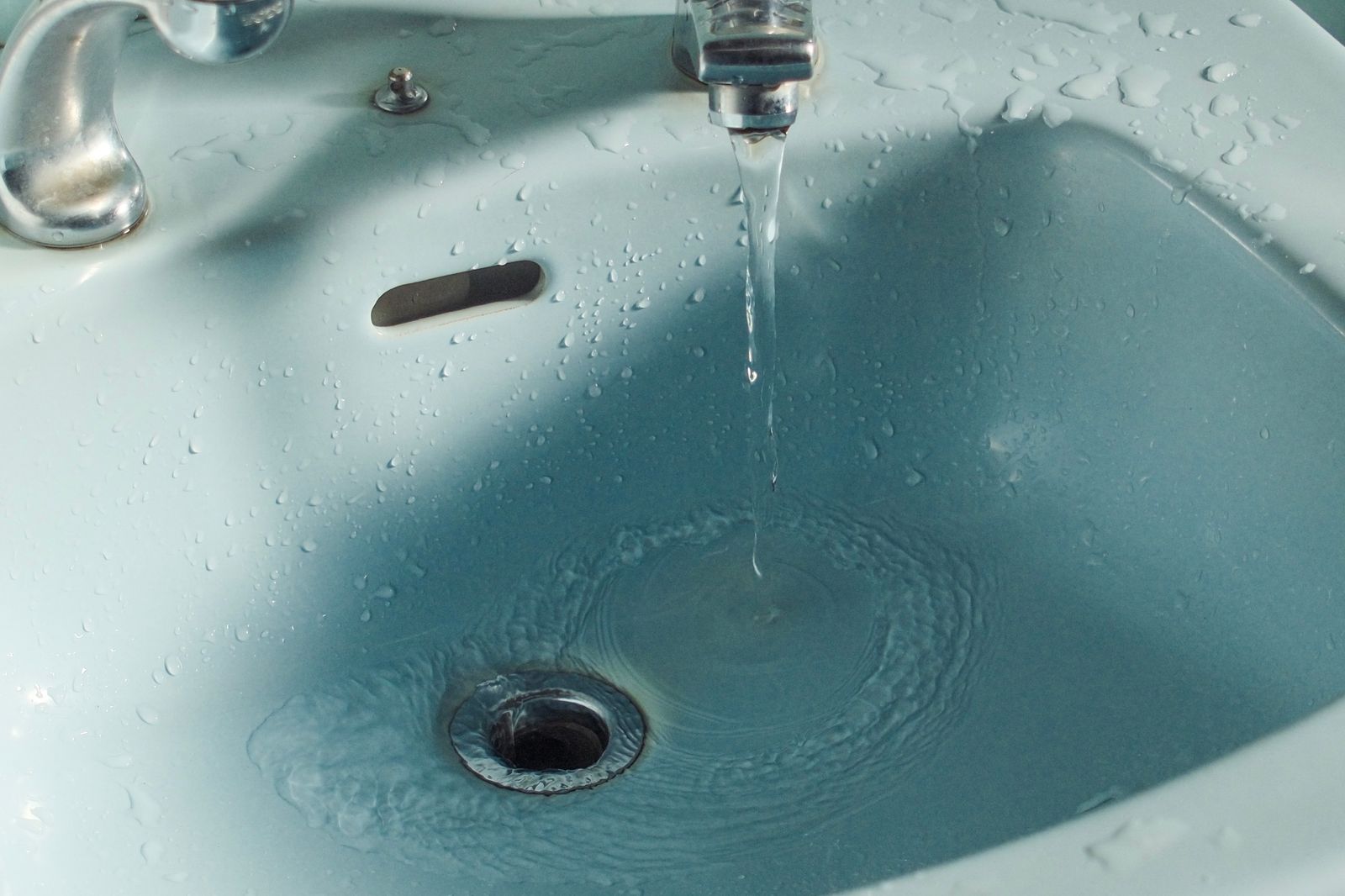
Bathroom drains rarely stop overnight. A shower that used to clear in seconds starts leaving a puddle, the basin holds water while you brush your teeth, and eventually the tub needs to be bailed out. By the time most people call, the blockage has been growing for months.
We connect households all over Etters with local technicians who clear these lines properly, whether the bathroom is original to an older river home or part of a newer build on a township lot. One call gets someone out with the right tools for a small-diameter bathroom drain, and an honest view of whether the clog is local or part of something bigger.
Hair and soap scum: what is really in a clogged shower drain
Under the cover of a clogged shower drain there is usually the same thing: a mat of hair bound together with soap residue, conditioner and skin oils. Bar soap is the worst for this, because its fats react with minerals in the water and leave a waxy film that hair sticks to.
The mat starts at the strainer, but much of it forms further in, in the trap under the tub or shower floor, where you cannot reach. A technician uses a small cable or a hand auger through the drain opening, or through the overflow on a tub, to pull the mass out rather than shove it deeper toward the branch line.
Pop-up stoppers, tub overflows and a tub drain clog
Bathroom sinks and many tubs have a pop-up stopper, a plug on a rod that moves up and down inside the drain. Hair wraps around that rod and its pivot, so a slow bathroom sink is often a stopper problem first. The technician pulls the stopper, cleans it and the tailpiece below, and often that alone gets the basin draining again.
Tubs add an overflow, the round plate under the faucet. Behind it sits the linkage for a trip-lever drain and a short pipe down to the trap. When the overflow gurgles or the tub drain clog comes back after cleaning the strainer, the build-up is usually in that assembly or the trap below it. Cabling through the overflow opening gives a straighter shot at the trap than going through the drain itself, and protects the tub finish.
| What you notice | Most likely spot | What the tech usually does |
|---|---|---|
| Basin slow, stopper sluggish | Pop-up rod and tailpiece | Pulls and cleans the stopper, clears the trap |
| Shower leaves a puddle | Strainer and shower trap | Removes the hair mat with a small cable |
| Tub drains slowly, overflow gurgles | Trip-lever linkage and tub trap | Cables through the overflow opening |
| Tub gurgles when the toilet flushes | Shared branch or main line | Checks other fixtures, then the main |
| Every bathroom fixture slow | Main drain or vent | Moves to the cleanout before the bathroom |
Old metal drain lines in older homes
In older houses, the bathroom drains are often galvanized steel or cast iron. Over decades the inside of those pipes roughens and narrows with scale, so hair and soap catch faster and the opening is already smaller than it was built. Cleaning one of these lines takes a gentler hand: the right cable size, slower speed and attention to joints that may be thin.
A tech will tell you if a section looks worn, and whether it makes sense to keep clearing it or to have it looked at more closely. If repeated clogs point past the bathroom, the next step is often a camera look or, where the pipe can handle it, hydro jetting to remove scale that a cable leaves behind.
When the problem is further down the line
A single slow fixture is a local clog. A bathroom where the sink, tub and toilet all misbehave together, or a tub that gurgles and bubbles when the toilet flushes, is telling you the shared line below is restricted. Air and water are being pushed back up the easiest path, and that is usually the tub.
If the basement floor drain or a lower-level shower is also backing up, the restriction is likely in the main building drain. That calls for main drain line cleaning from the cleanout, and clearing the bathroom alone would only move the water around. A good tech checks this before cabling the tub, which saves you paying for the wrong job.
What the technician checks first
On arrival, the tech runs water in each bathroom fixture to see which are slow and in what order. They look under the sink at the trap and tailpiece, pull the stopper, and check the tub overflow and strainer. If the toilet is part of the picture, they note whether it is slow to empty or actually overflowing.
They also ask a few questions that narrow things down: how long it has been happening, whether anyone has used chemical cleaners, and whether other parts of the house are affected. Then they explain what they think is going on and give you the price before any cable goes into the drain.
Bathrooms in Etters homes
Bathrooms in the borough's older houses were often added or updated over the years, so you can find a newer vanity sitting on top of an original metal drain. Those mixed systems need care at the joins between old and new pipe.
The 1970s to 2000s houses that make up much of drain cleaning in Newberry Township usually have two or more bathrooms stacked above a basement, so a busy upstairs shower can be the first to slow when a shared branch starts to narrow. Families with long hair and a lot of daily showers see this most.
Newer homes, including much of what you find doing drain cleaning in Fairview Township, mostly have plastic drain lines that resist scale, but shower drains there still catch hair just the same. On rural properties with septic, the bathroom drains are cleared the same way, and the tech keeps the work inside the house.
A slow tub is often the first sign of a wider problem, so it is worth seeing how bathrooms fit with everything else on the drain cleaning Etters overview, which sorts problems by what you are seeing.
While you wait
- Stop using the affected shower, tub or sink.
- If the toilet is backing up too, stop using water in the whole house.
- Do not pour chemical drain cleaner into standing water.
- Keep children and pets out of the bathroom if water is on the floor.
- Note which fixtures are slow and whether the tub gurgles when the toilet flushes.
Smell gas? Leave the house and call the gas utility and 911 from outside.